Digital Directory
_lpr_700.webp)
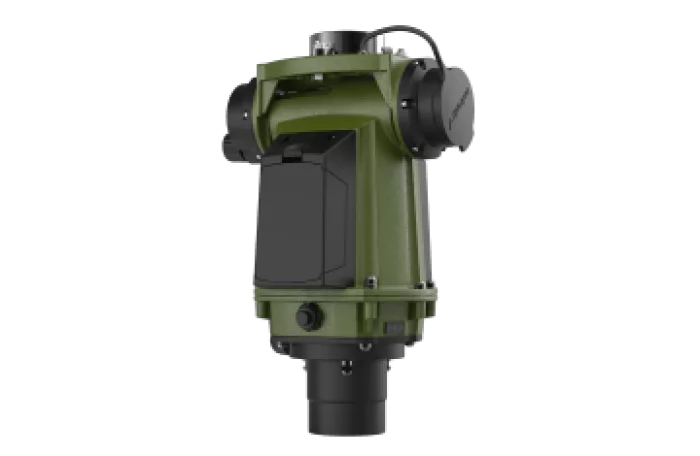
With the lowest acquisition, operational and maintenance cost of any 70-ton capable recovery system, HERCULES answers the need for cost-effective, self-supporting heavy recovery performance.
The HERCULES was the primary 70-ton recovery system during Operation Iraqi Freedom. And, U.S. troops found a few other creative uses for its capabilities when they used it to pull down the Saddam Hussein statue in Baghdad on April 9, 2003. HERCULES uses a hull designed for the recovery mission and thoroughly proven by U.S. Army testing. Stability and performance are unmatched by any alternate tank-based design.
HERCULES offers operational and logistics commonality with the existing M88A1 fleet, simplifying training and parts availability. Key upgrades include improved power-assisted braking, improved steering, improved electrical system and increased engine horsepower.
HERCULES features overlay armor protection, ballistic skirts, a longer 35-ton boom, a 140,000-pound (63,504 kg) constant pull main winch with 280 feet of cable, and an auxiliary three-ton winch to aid main winch cable deployment. The M88A2 HERCULES is built and equipped to be the world's recovery champion.
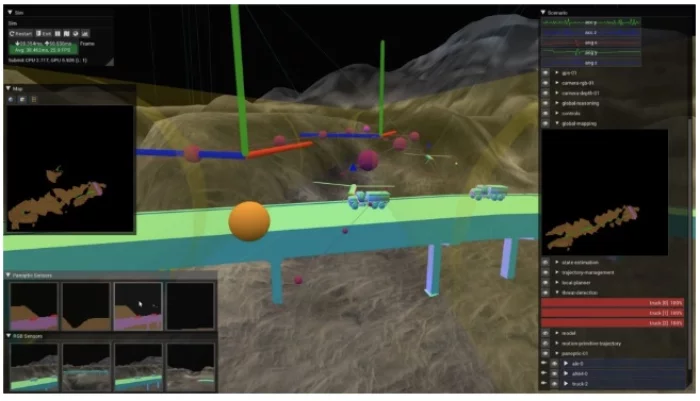
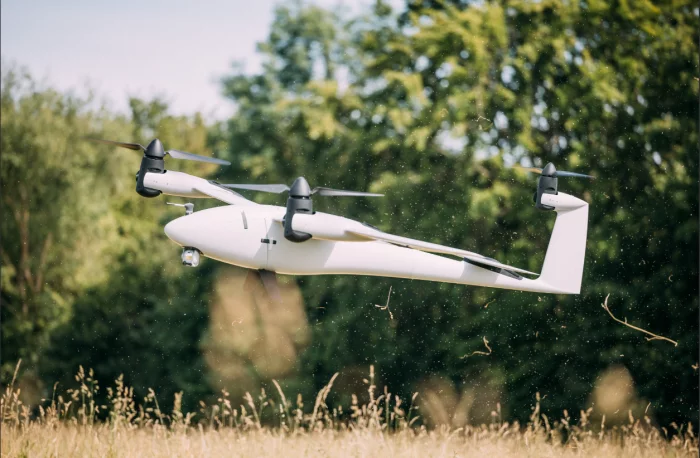
Similar to a human pilot, Hivemind reads and reacts to the battlefield, and does not require GPS, waypoints, or comms to make decisions. Hivemind enables intelligent teams to perform missions ranging from room clearance with Novas, penetrating air defense systems with V-BATs, to dogfighting F-16s.
Intelligent Teaming
Shield AI’s synthetic environments combined with human-machine tactics and behaviors. Testing and learning in real physics simulations reduces engineering cycle times and enables rapid real-world deployment. Welcome to the defense metaverse.
Edge Autonomy
The aircraft uses sensors to create a map or world-view, the computer then tells the aircraft or autopilot where to go and what to do to execute its mission. No GPS, no waypoints, and no comms are needed for aircraft to accomplish their missions.