Seoul ADEX 2027 Digital Directory
Plan your trip to Seoul ADEX 2027 using our state of the art Digital Directory
Register in seconds with just your email


Directory Features
To help you at the show
In-depth Exhibitor Profiles
Each exhibitor can add as many products and services as they wish, with in-depth information and specifications. This allows buyers to find what they want easily.
Self Provisioning for Exhibitors
Each exhibitor has full control of their content - to edit their company profile, upload products and enter staff details.
Plan your trip
Use the bookmarking and event planning tool to research the companies you would like to visit and the products you are interested in finding. You will be able to locate all of your saved companies on our floorplan
Advanced Search
Utilize our advanced search function to quickly locate products, people, and companies. Our state-of-the-art technology thoroughly scans all exhibitor information, delivering precise and relevant results
Interactive Floorplan
Navigate the show effortlessly with our directory. Use the floorplan to locate companies you want to visit and to find your way to onsite restaurants, toilets and site entrances and exits.
On-platform Messaging
Reach out to exhibitors and visitors directly on our platform to set up meetings, or request more information.
Some of our latest content
Companies, Products, News, Events
_700.webp)
Prolangs Inc.
Professional Defense Interpretation
Our team of interpreters, all specialists in the defense sector, brings extensive hands-on experience and relevant training. We help ensure the success of international business endeavors by acting as trusted partners to our clients.
• 24/7 defense interpretation services
• Fully equipped to deliver simultaneous, consecutive, escort, and whispering interpretation services for a variety of conferences, seminars, and official events
• Exclusive interpretation service provider for the first-ever K-Defense Day Event
◎Simultaneous interpretation
Interpretation conducted in almost real time using interpretation equipment (FM interpretation equipment, and receivers) in an interpreter booth where a pair of interpreters do the interpretation. The audience hears the interpreter's voice through the receivers. It is often used in conferences, forums, symposiums and memorials attended by a large number of people.
◎Consecutive interpretation
Unlike simultaneous interpretation, this is conducted served after a speaker's words end. It is mainly used for meetings with limited attendance, such as ministerial talks and summits.
◎Accompanying interpretation
This is similar to consecutive interpretation, but the interpreter moves with the speaker and interprets. It is mainly used for sightseeing and field trips where interpreters are needed.
◎Whispering interpretation
Interpretation for a small audience, listening to what a speaker says and then interpreting it for an audience in a quiet voice. If needed, the interpreter can use whispering equipment (transmitters and receivers).
PEI-Genesis
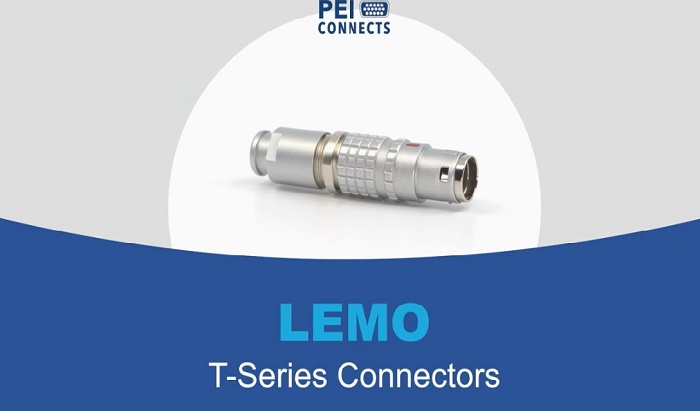
LEMO T-Series Connectors
LEMO T-Series watertight connectors offer durable construction in a package specifically designed for outdoor applications. Learn more: https://www.peigenesi...
CBOL Corporation
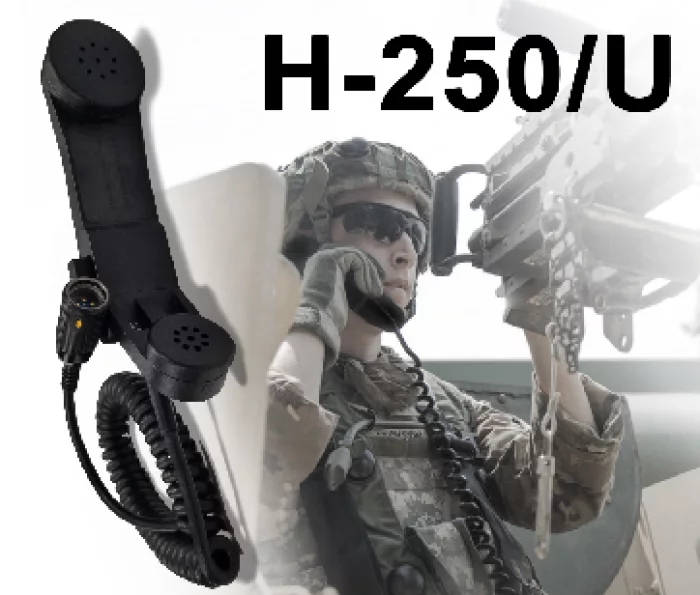
H-250/U Handset
CBOL Corporation is pleased to highlight our role as the producer of the H-250/U handset and our role in the supply chain, as we actively contribute to fulfilling the needs of a respected U.S. military OEM through having passed its rigorous qualification requirements. We take great pride in our ability to meet our valued partners' evolving demands in ensuring national security and abroad.
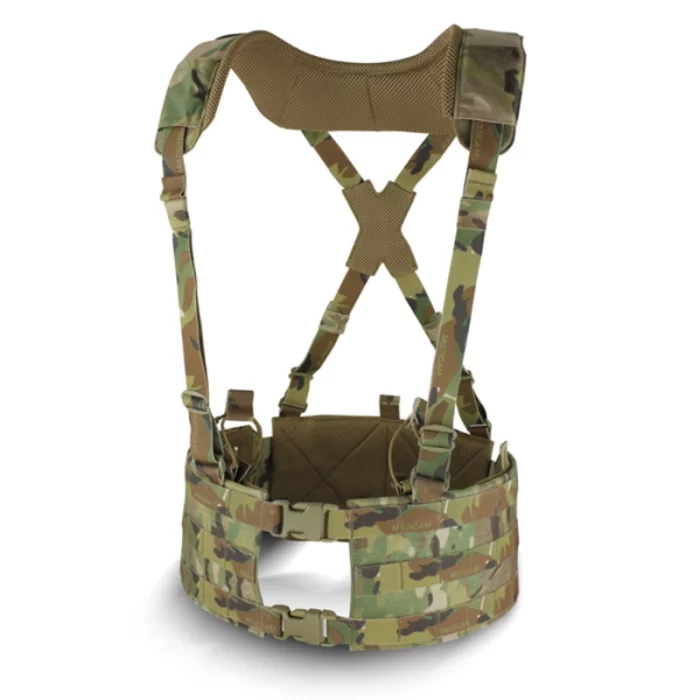
Hessed Korea
COMA HARNESS
Antimicrobial/FR treated padded spacer mesh system
Low Profile Shoulder Harness
Ultra-light multipurpose loading platform
Applied 3 x 8 PALS system for the both cummerbund and 3 x 6 for the back panel
4 magazine pockets inside the cummerbund
2 pockets for 6"x6" hard plate inside the cummerbund
Composition
Material : 500D Cordura® + ARAMID / PV®
Colors:
MC (MultiCam)
BMC (Black MultiCam)
BK (Black)
RG (Ranger Green)
CYT (Coyote Brown)



_700.webp)